
Stumpf: Pirates get two projects in first deadline deal
The Pirates gave up a first round pick but aren't getting a proven player back

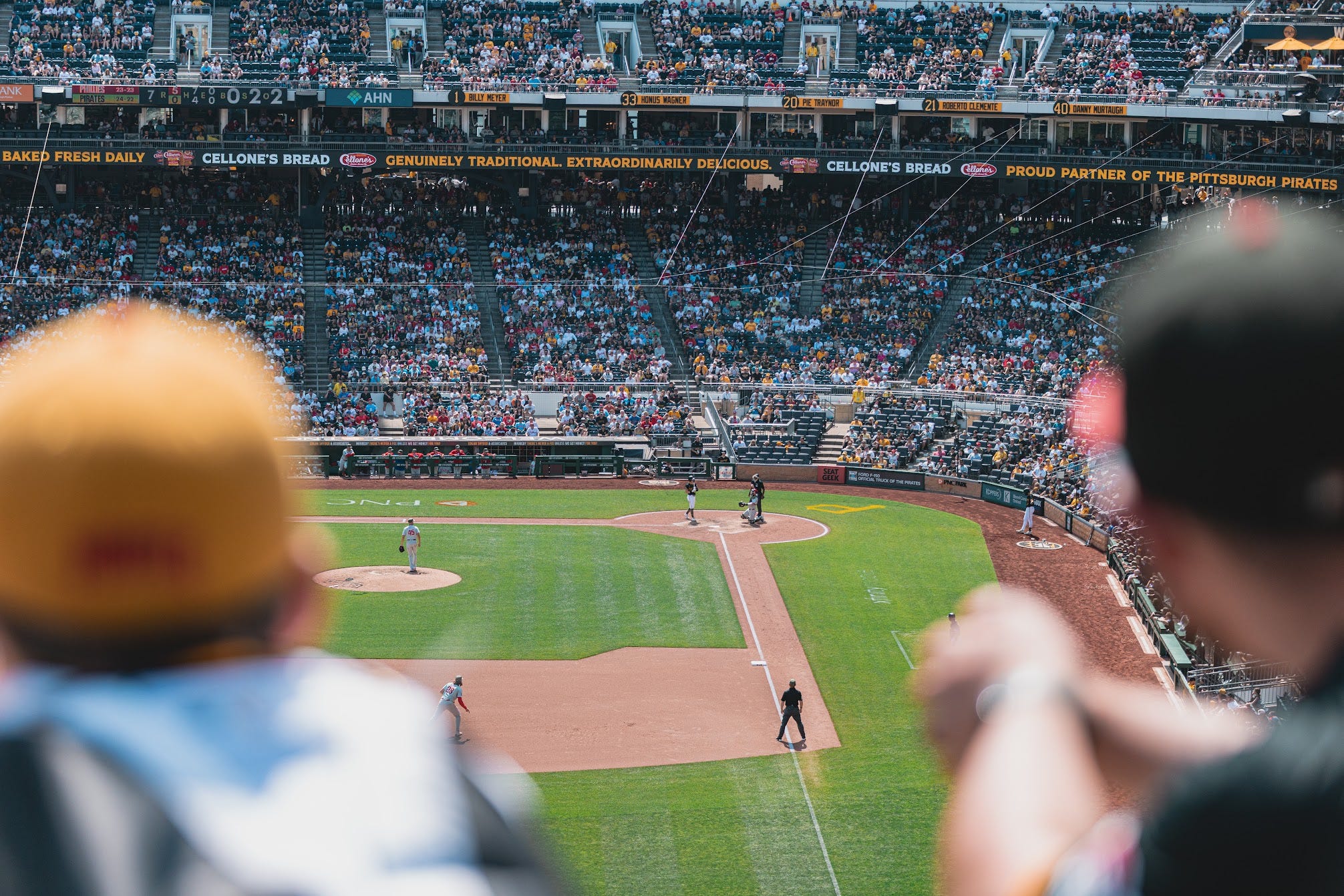
The Pirates are in desperate need for bullpen help. They also needed some shortstop depth now that Konnor Griffin is on the 60-day injured list. They also had a Competitive Balance Round A pick burning a hole in their pocket, a free tradeable asset the league gifted them. With the Draft set to start Saturday, the Pirates had a choice to make: use the Draft pick and hope it yields a Major League player years from now, or try to flip it and add to the 2026 club.
They chose the latter, sending that pick and Minor League lefty reliever Jaden Woods to the White Sox for lefty reliever Brandon Eisert and infielder Jacob Gonzalez. Both are still pre-arb players with years of team control remaining, so consider this a hedged bet. They’re missing out on a potential high quality prospect, but they’re getting two Major League players with lower ceilings who could help now.
That is, of course, assuming they actually do make this team better, which is far from a guarantee. The White Sox are a first place club and weren’t going to deal away their best impact players. These two are still in search of a true Major League breakout.
Eisert, 28, has pitched to a 5.93 ERA over 27 ⅓ Major League innings this season, striking out 32 against eight walks. He averages only 89.7 mph on his fastball, but has a healthy 31.2% whiff rate, strikes out 27.4% of his batters faced and has a 3.41 expected ERA, according to Baseball Savant. He also gets good extension on his delivery (7.2 feet, putting him in the 95th percentile of pitchers), and we all know the Pirates love a soft-tossing lefty with a mechanical quirk.
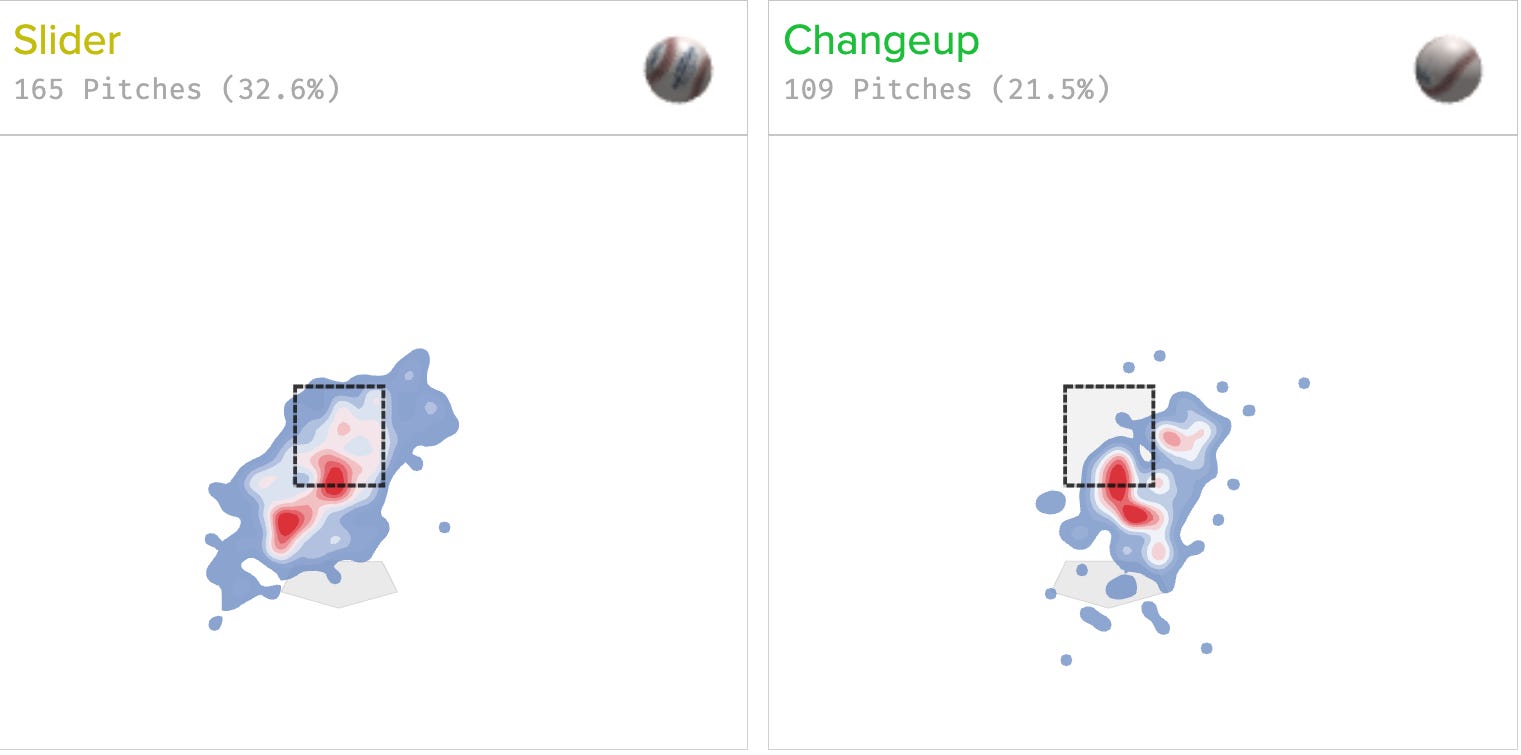
Eisert has a four-pitch mix that’s centered around his four-seam fastball and slider. He will also throw a changeup to right-handers and a sinker to left-handers. The sinker and slider could potentially create a nice tunnel, but only if the sinker will, well, sink:
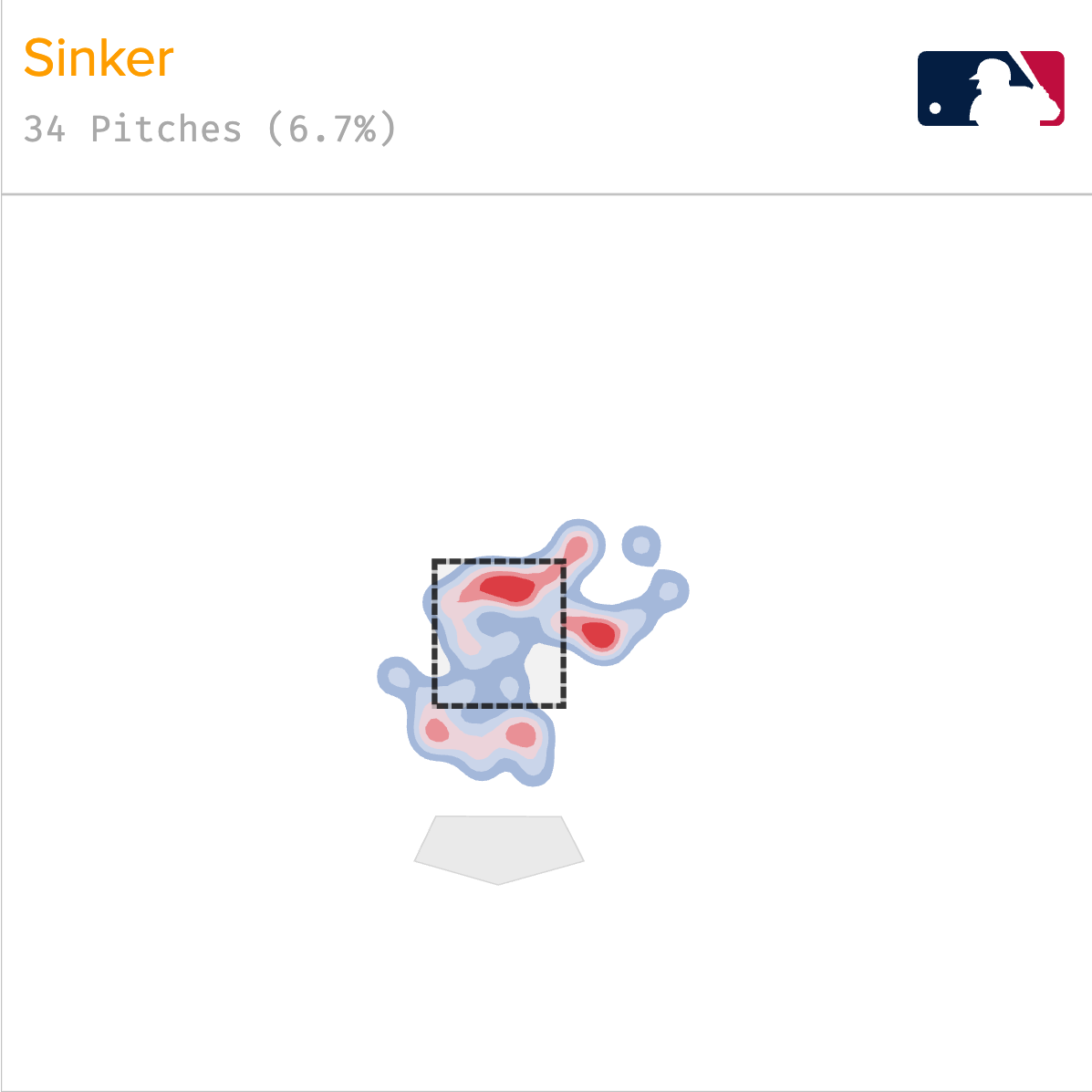
That’s not going to play. The slider and changeup do land in some pretty nasty zones and produce whiff rates of over 30% each, but batters are slugging .500 against his breaking ball and are hitting .280 against his changeup. The Pirates are buying a pitcher who has some good traits and peripherals and are hoping he can mask his 80-something mph fastballs to realize that potential. So far, that hasn’t really happened in the Majors.
Gonzalez, 24, was the White Sox first round pick in 2023 and their No. 22 prospect, according to MLB Pipeline. He has slashed .244/.323/.360 with two home runs in his first 97 Major League plate appearances but has done much better in Triple-A, where he has hit 19 home runs with a .320 batting average and 1.097 OPS. The catch is Charlotte is one of the best hitting environments on the east coast. He hit .374 with 16 home runs and an .897 slugging percentage at home in the minors, compared to a .253 batting average, .407 slugging clip and three homers on the road. That’s a pretty daunting split.
Gonzalez is far from a finished product but I do think there are some development opportunities here. My immediate takeaway is it takes awhile to get to his load position. I’ve had conversations with Griffin and Endy Rodríguez this season about how they were able to improve their timing by getting their hands to a more optimal position sooner. When I look at swings like this foul ball against Yoshinobu Yamamoto, I’m struck by how far Yamamoto is in his delivery while Gonzalez is still getting in position to hit. It makes sense why he would be late for a belt-high 96 mph fastball:
I think Gonzalez has decent bat speed and the potential to grow, and this is an area where you can improve in-season. He’s batting .220 with a .293 slugging percentage against fastballs in the Majors. If he can improve there, then I could see him being a big leaguer.
So the Pirates acquired two projects. Was it worth what they traded?
It’s hard to say exactly how much trade value a draft pick has. We’ve had plenty of trades involving Competitive Balance selections the last few years, but they’re usually paired with other players. Looking at some recent examples, the Guardians flipped an unranked prospect and the 29th pick in this Draft for the light-hitting but Gold Glove-winning catcher Patrick Bailey this May. The Rays acquired Bryan Baker – who now has 25 saves in Tampa – for their Competitive Balance pick last year, but he was hardly a closer in waiting at the time of the deal. Picks have been part of trade packages for Quinn Priester, Jeffery Springs and Gavin Lux in recent years, but rarely do you see a true one-for-one style swap of a player for a pick.
Acquiring a draft pick gives a team an extra selection, but perhaps more importantly, it gives them bonus pool money to spend. The No. 34 pick carried a slot value of almost $2.9 million. A team could draft a player who could sign for roughly that expected value, but they could go over-slot on a high school player or reach for a lesser draft prospect and spread the money around later. Depending on what player is selected and the strength of a given farm system, my back of the envelope estimate is this pick will probably yield a player who lands somewhere in the 7-13 range for a top prospect list. That’s either near the end of a club’s second tier of prospects or the start of that third tier, with the new club footing the signing bonus bill.
So if you want to know if this is a fair trade, it looks fairly even, perhaps leaning a bit towards a slight overpay by the Pirates. Eisert for Woods is a swap of lefty relievers, with the Pirates getting a more proven player with intriguing peripherals but probably a lower ceiling, and losing a harder thrower with a higher ceiling but lower floor. They flipped a pick that should yield a higher ranked prospect than Gonzalez, but Gonzalez is Major League-ready, fills an immediate need and the Pirates have an extra $2.9 million in their pocket that they could use elsewhere this deadline.
It might be a fairly even trade, but it’s fair to be underwhelmed. This team is in desperate need of a spark to finally get over this .500ish hump they’ve been at all season. This move doesn’t inspire much excitement.
I don’t think you have to squint very hard to see how this trade could work out for the Pirates. Eisert produces results closer to what his peripherals suggest they should be and Gonzalez turns into half of a perfectly cromulent substitute platoon with Jared Triolo at shortstop for the next two months. In a perfect world, maybe he’s a legitimate candidate to replace Brandon Lowe at second base next year. Eisert probably improves the bullpen day one, but that’s not a very high bar to clear, and if you’re buying xERA, all three southpaws in the Pirates’ bullpen have a better xERA than he does.
This doesn’t scream “big deadline move,” but every trade doesn’t have to. This reaffirms the Pirates are positioning themselves as buyers at the deadline, but this is a pretty risk-averse move. If they crater and are forced to sell, these guys could help the 2027 team still.
If you’re looking for a big swing to try to get this team out of this .500 purgatory they’ve played in all season, well, maybe the cash they’re saving here and on the Joey Bart trade can make a difference.
The past 48 hours from a player management perspective have been incredibly underwhelming.